

Matching Boat Size and Weight to the Right Lift System
A dependable boat lift begins with accurate information about the vessel it will carry. Weight, beam width, hull shape, engine setup, fuel, batteries, gear, and accessories all influence what the lift must handle on a regular basis. For owners comparing wide slip boat lifts, it is useful to think beyond the boat’s published dry weight and consider the vessel as it is actually used. A system that looks suitable on paper may be less appropriate once fuel tanks are filled and equipment is loaded. Taking these details into account from the beginning can help create a safer, more comfortable setup and can also reduce unnecessary strain on lift components over time.
Total operating weight is one of the most important figures to calculate. The manufacturer’s listed weight may not include everything that remains on board during storage, and those additions can be significant. Fuel, water, coolers, fishing equipment, batteries, anchors, electronics, and personal belongings all add to the load. Choosing a lift with capacity comfortably above the expected operating weight gives the system room to work without constantly being pushed near its limit. That extra margin can be especially valuable for larger boats, where even modest additions may represent several hundred pounds. It can also help support smoother movement and more predictable lifting.
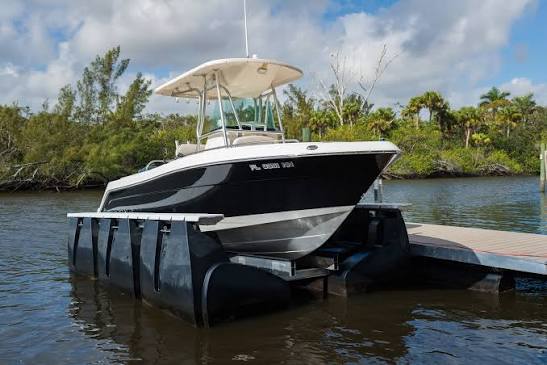
Beam width deserves equal attention because it affects how easily the vessel enters, rests, and leaves the lift. A wider boat needs enough clearance to avoid awkward maneuvering or contact with surrounding structures. Hull design changes the picture again. A deep-V hull, pontoon, catamaran, or flat-bottom vessel may require a different support arrangement to distribute weight correctly. Bunks need to sit in positions that support the hull without creating pressure in the wrong places. This is one reason measurements should be taken carefully rather than estimated, especially when a vessel has an unusual shape or carries twin engines or other heavy equipment.
The dock and water conditions are part of the decision too. Slip width, water depth, changing water levels, access points, and the strength of the surrounding structure can all affect which lift configuration will work best. Electrical supply may also matter when powered systems are involved. A setup that suits one marina or private dock may not be ideal for another, even when the boats are similar in size. Professional assessment can help connect the vessel specifications with the actual environment, making it easier to select a system that operates comfortably in everyday conditions rather than only meeting basic capacity figures.
Long-term planning can make the investment more useful as boating needs change. Owners who expect to move to a larger vessel in the future may benefit from selecting capacity and clearance that leave some room for growth. Adjustable supports can also make adaptation easier when hull shapes or boat sizes change. When choosing wide slip boat lifts, accurate measurements, realistic weight calculations, suitable support placement, and careful attention to the dock environment all work together. The goal is not simply to raise the boat off the water, it is to create a lift setup that feels secure, operates smoothly, and continues to make docking and storage easier season after season.
…